TABLE OF CONTENTS
The most popular and effective landscaping design ideas in Green Bay, WI, move beyond generic trends by embracing our unique climate. They focus on resilient Wisconsin native plants, strategic hardscaping for four-season interest, and smart water management like rain gardens to create beautiful, sustainable outdoor living spaces that truly thrive here.
As a landscape design company rooted in the Green Bay area for years, we at CJS Landscape have seen it all. Homeowners arrive with beautiful photos of gardens from warmer climates, hoping to replicate them here in Brown County. While the inspiration is fantastic, the reality of our long winters and sometimes soggy springs requires a smarter, more localized approach. The most successful front yard landscaping and backyard patio ideas are not those that fight our climate, but those that are thoughtfully planned to embrace it.
Forget the fleeting trends. The core of exceptional landscaping in Green Bay, WI, is a design that looks stunning year-round, reduces maintenance, and works with our local environment. It's about creating a resilient, beautiful extension of your home that can handle a heavy snowfall in January and a downpour in July. Let's explore the ideas that deliver lasting value and beauty.
Beyond the Manicured Lawn: Embracing Wisconsin Native Plants
For decades, the perfect lawn was the ultimate symbol of curb appeal. But a growing number of homeowners in Green Bay are discovering a more vibrant, lower-maintenance alternative. Inspired by groups like the Wild Ones Green Bay Chapter, there's a significant shift towards naturalistic planting using Wisconsin native plants. This isn't about letting your yard run wild; it's a planned, intentional design that leverages the power of plants born to thrive right here.
Unlike turf grass that requires constant watering, fertilizing, and mowing, a thoughtfully designed perennial garden filled with native species is largely self-sustaining once established. Sun-loving perennials like Coneflowers (Echinacea) and Black-Eyed Susans provide brilliant color all summer and attract essential pollinators, creating lively pollinator gardens. For areas with more shade, Hostas and Ferns offer lush, textured foliage. Incorporating native grasses and shrubs like Serviceberry trees provides structure and food for local wildlife. This approach to sustainable landscaping not only creates a beautiful yard but also a healthier local ecosystem. For property owners in areas like Suamico or near the wooded areas of De Pere, it’s also wise to fill a garden with shrubs and perennials that are deer-resistant, a challenge local expertise can easily solve.
Designing for the "Fifth Season": Winter Interest in Green Bay
In Northeast Wisconsin, our landscape has to perform for more than just three seasons. A garden that shines in July can look barren and bleak by November. This is why designing for four-season interest is not a luxury—it's a necessity. We call this designing for the "fifth season," that long stretch of winter where structure, texture, and color are paramount.
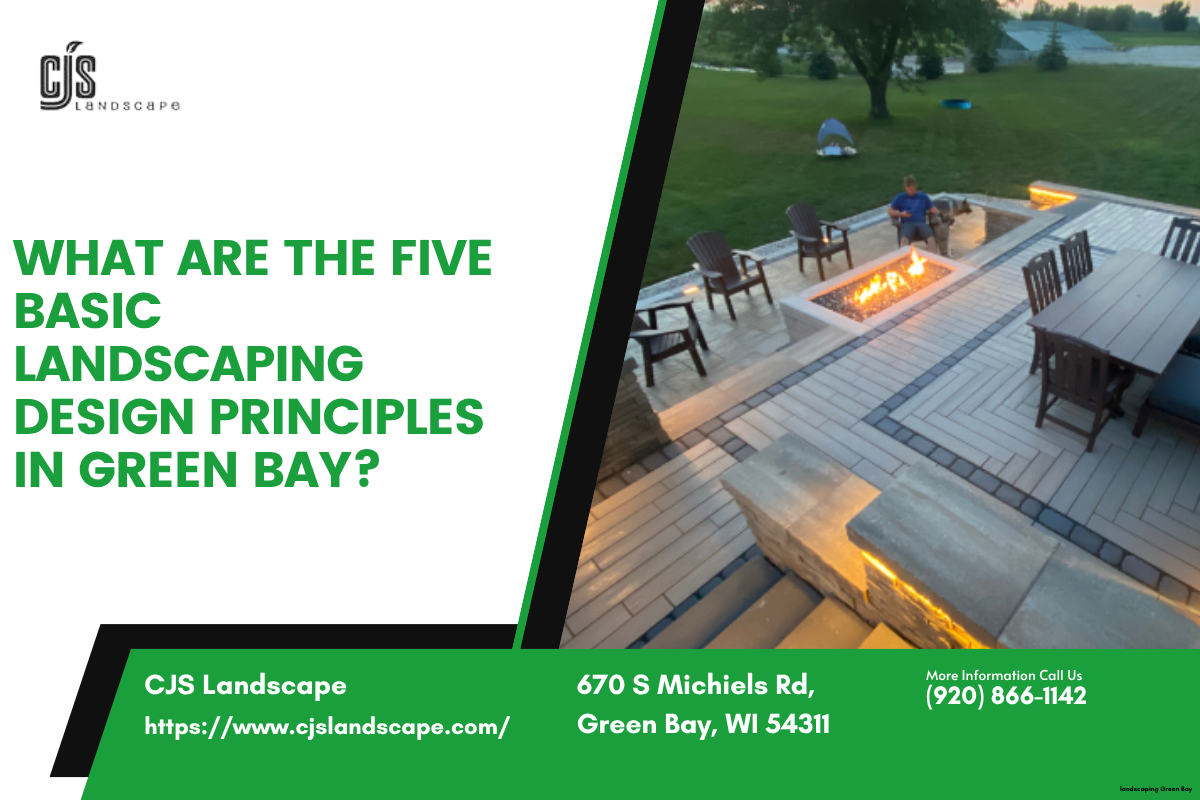
This is where hardscape installation plays a leading role. Well-placed paver patios, stone and rock gardens, and thoughtfully designed walkway and path ideas provide strong visual lines that guide the eye even under a blanket of snow. Vertical elements like pergolas and arbors become beautiful frosty sculptures. We also rely heavily on evergreens for a backbone of color, from tall privacy hedges to carefully selected foundation plantings. But don't overlook ornamental grasses; their dried seed heads and tawny blades catch the winter light beautifully and provide texture against the snow. Combining these elements ensures your landscape remains a captivating view from your window all year long, enhancing your outdoor living spaces even when you're indoors.
Solving Soggy Yards: Rain Gardens and Smart Water Management
From the spring thaw off the Fox River to heavy summer thunderstorms rolling in from the bay, managing excess water is a common challenge for homeowners in Green Bay, Ashwaubenon, and Allouez. Poor drainage can lead to perpetually wet spots, damaged lawns, and foundation issues. One of the most practical and aesthetically pleasing clay soil solutions is a rain garden.
As noted by our friends at the Green Bay Botanical Garden, for areas in a landscape that are wetter than others, a potential solution is to install a rain garden. This is a shallow, depressed garden bed planted with deep-rooted, water-loving native plants. It’s designed to collect, hold, and filter stormwater runoff from roofs and driveways, allowing it to slowly absorb into the ground. This not only solves drainage problems but also reduces runoff pollution into our local waterways. This focus on water management is a cornerstone of modern landscape design, turning a common problem into a beautiful, functional garden feature.
Local Expertise Over Big-Box Guesses
It's tempting to walk into a large garden center, fill a cart with whatever is in bloom, and hope for the best. However, this often leads to frustration and wasted money. Professional landscape architects and designers in our area understand the nuances of the local soil and microclimates, from the sandy soils near the Lake Michigan shoreline to the heavy clay inland. Without this knowledge, it’s easy to make costly errors. In fact, experts agree that neglecting the landscape planning process can result in common problems such as overcrowded plantings and trees or shrubs planted too close to structures.
Leveraging resources like the Green Bay Botanical Garden for inspiration and the UW-Extension Brown County for soil testing and advice is a great start. Working with local nurseries and a professional firm ensures that the tree and shrub planting plan you create will succeed. We can recommend specific Hydrangea varieties that will bloom reliably in our zone or drought-tolerant plants that can handle a dry spell without constant watering, a concept related to xeriscaping. This expert guidance is the difference between a landscape that survives and one that truly thrives.
Comparing Landscaping Philosophies
Generic, Trend-Based Landscaping
This approach often prioritizes immediate, short-term aesthetics using plants that might be popular nationally but aren't suited for Green Bay. It can result in a beautiful yard for one season, but often requires intensive landscape maintenance, frequent plant replacement, and struggles with our climate extremes, offering poor long-term sustainability.
Climate-Specific, Resilient Landscaping
This philosophy focuses on long-term sustainability by creating a cohesive system of hardy plants and smart hardscaping. The initial design and hardscape installation may represent a larger investment, but it pays off with lower maintenance, reduced water usage, and a landscape that grows more beautiful and resilient each year, offering excellent long-term value.
Key Factors for a Successful Green Bay Landscape
Understanding of Local Northeast Wisconsin Climate
The design must account for freezing winters, hot summers, and our specific hardiness zone. This dictates every choice, from paver patio materials to plant selection.
Use of Hardy, Native, or Climate-Appropriate Plants
Selecting plants that are proven to thrive in Brown County soil and weather patterns is the single most important factor for a healthy, low-maintenance garden.
Designs That Offer Visual Appeal Across All Four Seasons
A great design provides visual interest through structure, texture, and color that endures from a summer evening around the outdoor fireplace to a snowy winter morning.
Incorporation of Smart Water Management
Whether through rain gardens, proper grading, or choosing drought-tolerant plants, managing water effectively is crucial for landscape health and sustainability.
Long-Term Resilience and Sustainability
The ultimate goal is a beautiful space that matures gracefully, requires less chemical intervention, supports the local ecosystem, and adds lasting value to your property.
Making the Right Choice for Your Needs
For the Eco-Conscious Homeowner
Your priority is a landscape that gives back to the environment. Focus on creating extensive pollinator gardens with Wisconsin native plants. A rain garden is a perfect fit for your goals, managing water sustainably. Ask for organic soil amendment and mulching practices and avoid a heavy reliance on turf, opting instead for naturalistic planting beds.
For the Long-Term Property Investor
You need a landscape that boosts curb appeal and property value without becoming a maintenance burden. Prioritize a strong foundation of high-quality hardscaping—think paver patios, retaining walls, and outdoor kitchens. For plantings, select hardy, slow-growing evergreens and drought-tolerant shrubs that provide structure and color year after year with minimal fuss. Professional landscape lighting can further enhance appeal and security.
For the New Green Bay Resident
Welcome to the area! You need guidance to avoid the common pitfalls of gardening in a new climate. Your best investment is a comprehensive landscape design service. Start with a consultation to understand your property's unique conditions. Rely on expert advice to select proven plants and materials, ensuring your new outdoor living space is a source of joy, not a series of expensive experiments.
Ultimately, creating the perfect landscape for your Green Bay home is a personal journey. By focusing on designs that are resilient, sustainable, and tailored to our unique Wisconsin climate, you can build an outdoor space that provides beauty and enjoyment for years to come. For a personalized assessment of your property and to explore a plan that fits your vision, contact the CJS Landscape team today. We're here to help you create a landscape that thrives.